If you've heard about Brainspotting therapy and are wondering what it is, you're not alone. Brainspotting or BSP is a trauma-informed therapy that helps people process difficult experiences by using eye position alongside mindful awareness. In this article, you'll learn how it works, who it may help, and what to expect in a session.
Welcome to Jenuine Therapy! My name is Jenny Yuzon and I am a Certified Brainspotting (BSP) Therapist and Registered Social Worker providing virtual therapy across Ontario, Canada. I personally loved BSP so much for my own treatment that I decided to get trained and certified to help others heal and work through issues that maybe left them feeling stuck or like their nervous system is in constant overdrive. This blog will explain what is brainspotting, what is some of the research behind it and how it can help with anxiety, trauma responses or overall well-being.
What Is Brainspotting (BSP)?
Think of our brains having WI-FI filled with connections of thoughts, feelings, emotions, memories, experiences and we are looking for ways to connect with these things to feel better, less tension in our body or where the past can finally feel like the past.
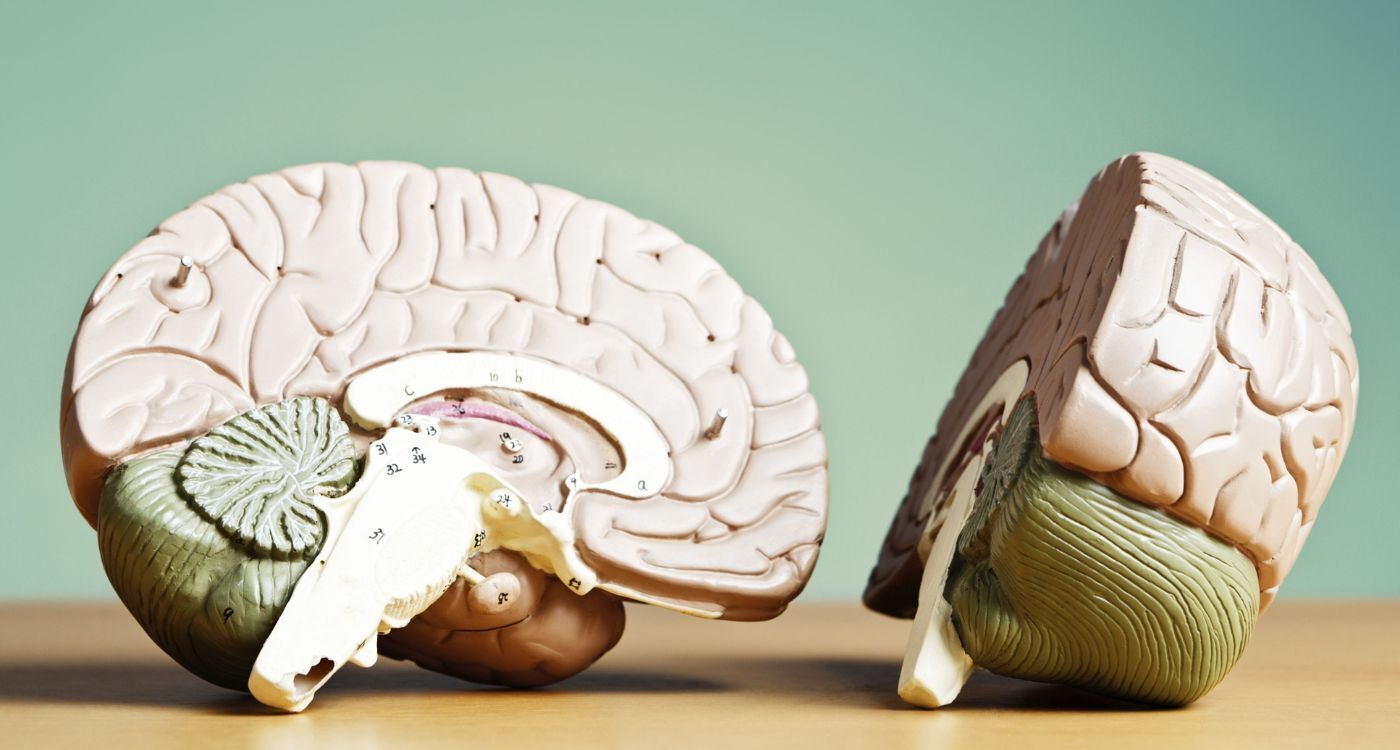
Brainspotting uses our visual field to directly connect with the subcortical brain-where trauma, memories, and emotions are stored. The brain and body have a fascinating way of knowing where the "STRONG WI-FI" connections are stored and can be released, processed or updated!
It's a neurological somatic tool that taps into the brain's "INTERNAL WI-FI" to allow for a deeper understanding of the experience and release emotional and physical pain.
BSP was developed by David Grand in 2003 when he noticed a client's fixed eye position correlated with the intensity of their trauma response (fight, flight, freeze). He held a pointer in that eye position which later would be called a "Brainspot" and by noticing sensations and attuning to the client, she released underlying emotions and memories that had still caused her years of distress even with many years of talk therapy (Grand, 2013). She felt better, symptoms decreased, felt like her traumas were actually in the past by the way her nervous system responded in the present. Brainspotting is a somatic, client-led flexible approach for a wide range of issues.
How Does It Work?
BSP works on the midbrain (subcortical brain), which controls autonomic nervous system responses, memories that you can or cannot remember but your body may and emotions.
There is a direct link between the eyes and the midbrain that develops 2 weeks in Utero. Your brain is also designated to 50% of your vision and another interesting fun fact is that some of the materials in your eyes are the same material of your brain! Whoa! That's a lot of connections or a lot of "internal wi-fi."
First, a client may bring up an issue or what they would like to work on. Therapists will then ask a few questions and invite clients to notice internal sensations as they are talking about this issue they have chosen. Therapist will then use a pointer to go across their visual field (does not touch you) or client’s own gaze and find a specific eye position that aligns with their activation or feeling. Pointer gets moved across and up and down the visual field to help locate. At this point, I am also observing any reflexes which helps signal a Brainspot.
You do not have to go into details about the issue unless you want to discuss more. A lot of people find this helpful as it can be hard sharing all the details and sometimes we cannot remember but can still feel it in our bodies. BSP goes at your pace without reliving the experience.
You can have more than one spot and there is no "exactly right” which means a client can not mess this up. This is often a common response especially when we tend to want to get things perfect or worry about disappointing others. This is completely normal and probably all part of your processing. Sometimes it's what feels right to you in the moment, where the activation feels higher or where the therapist notices reflex (blinking, twitch, yawning, subtle movement in the face, etc).
Once a brainspot is located, eye position is held and we mindfully and curiously notice sensations, what is coming up for you even if it doesn't make sense to you at the moment. A lot of times, I hear, I don't know why I am thinking this or what does this have to do with what I brought up? We just trust that your brain knows where that "wifi" connection is and that your wise system knows how to "update." Often there can be a connection to random thoughts, emotions and sensations and afterwards we may see it as a journey that took us where your system needed to go to feel better.
Towards the end of the session we check in and compare to where you started, is it lower, the same, higher, did it change? What is the client noticing? We then spend some time debriefing your experience.
How Can It Help Me?
I see a lot of clients that feel like their body is in constant survival mode which may show up as a fight, flight, freeze or fawn state. Brainspotting helps shift your body out of this constant mode and more into a relaxed, calm and resilient baseline. Anxiety often manifests as physical symptoms along with rumination and overthinking. By focusing on a "brainspot" it allows the body to release the physical sensations and tension at a pace that feels right for the individual. This can also help reduce the mental chatter in our minds. In a 2022 study (D'Antoni, Matiz, Fabbro and Crescentini) participants experienced reduced distress in the days following BSP session(s).
In a 2021 survey of 112 therapists, most of whom were trained in BSP, 82 percent reported that clients on average responded better to BSP than the more well-known EMDR (eye movement desensitization and reprocessing therapy), a well-researched, but intense, trauma therapy based on bilateral sensory stimulation combined with talk therapy.
Sometimes it is hard to put things into words and brainspotting can allow your brain to process and heal naturally without needing to recall every detail. Corrigan & Grand (2015) have hypothesized that this fixed-eye position results from activation in the superior colliculi (SC), one of the first areas of the brain activated when there is a perceived threat. He hypothesizes that not only does the SC respond to the threat itself, but it also responds to the threat-trauma neural network and that the clients have not processed that they have survived trauma. SC pathways allow the brain’s natural tendency toward organization to orient to the trauma experience without the need for the client to explicitly recall disturbing memories or to talk about or relive the trauma.
These neural networks become updated and relieve the physiological symptoms of trauma (Corrigan, 2015).
Whether you are dealing with anxiety, physical tension, stress and burnout or lingering trauma, BSP helps reduce symptoms and process the root cause. Brainspotting taps into the body's wise ability to heal itself, although this time you don't have to deal with it on your own.
If you're wondering whether Brainspotting is the right fit for you, bookign a consultation can help you explore your options in a suupportive, no-pressure conversation. Interested in learning more or ready to start? Contact us or book a Complimentary 15 minute consultation with Jenuine Therapy https://jenuinetherapy.janeapp.com

Jenny Yuzon
Contact Me